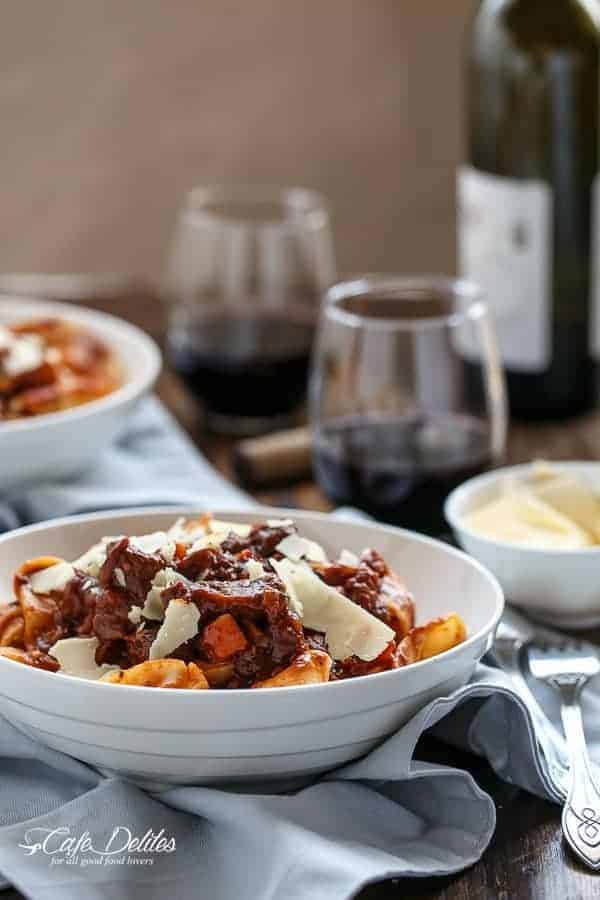
The Allure of Fiery Lamb Ragu: Rustic Italian Flavors, Restaurant-Quality at Home
Imagine a dish that perfectly marries robust, slow-cooked tenderness with an invigorating kick, all cradled by broad, silken ribbons of pasta. That, dear food enthusiast, is the magic of
fiery lamb ragu on pappardelle. This isn't just another pasta sauce; it's a culinary experience that transports you straight to a rustic Italian trattoria, yet it's entirely achievable in your own kitchen. While traditional ragu is a beloved classic, adding a touch of heat transforms it into something truly extraordinary – a spicy tweak that elevates the entire dish, making it undeniably restaurant-worthy.
The beauty of a well-made ragu lies in its depth of flavor, born from a patient simmer that coaxes every essence from its ingredients. When you introduce the richness of ground lamb, the bright acidity of tomatoes, a symphony of herbs, and then *fire it up* with red chili, you create a sauce that's both comforting and exciting. Paired with wide, al dente pappardelle, which is perfectly designed to scoop up every last drop of the luscious sauce, you're in for a soul-warming, deeply satisfying meal that’s both elegant and utterly delicious.
Crafting Your Restaurant-Worthy Fiery Lamb Ragu: A Culinary Journey
Making a truly exceptional
fiery lamb ragu on pappardelle is a journey of building flavors layer by layer. Forget the notion that authentic Italian cooking is intimidating; this streamlined recipe, rooted in classical techniques, makes it accessible for even novice cooks, while offering enough complexity to intrigue seasoned chefs. The key lies in understanding the purpose behind each step, ensuring a harmonious blend that culminates in a rich, meaty, and wonderfully spicy ragu.
The Foundation: Aromatics and the Maillard Reaction
Every great sauce begins with a solid aromatic base. Heat olive oil in a large, heavy-bottomed frying pan or Dutch oven over medium-high heat. Begin by sautéing finely diced onions and carrots. The goal here isn't just to soften them, but to coax out their natural sweetness, building the first layer of flavor. Continue until the onions are translucent, which typically takes about 5 minutes. Next, add minced garlic and cook for just 30 seconds more, until it becomes fragrant. Be careful not to burn the garlic, as this can turn bitter.
Now comes the star: the lamb. While many traditional ragu recipes call for braising lamb shoulder or leg all day, we’re opting for ground lamb. This ingenious shortcut delivers the same rich, meaty flavor and desirable pasta-clinging texture in significantly less time – often around an hour instead of six. Add the ground lamb to the pan and sear it until it’s beautifully browned on all sides. This crucial step, known as the Maillard reaction, develops deep, savory notes that are essential for the ragu's complex flavor profile. Break up any large clumps of lamb as it cooks.
Building Layers of Flavor: Tomatoes, Herbs, and the Fiery Kick
Once the lamb is well-browned, it’s time to introduce the vibrant heart of the ragu: the tomatoes and the heat. Stir in high-quality crushed tomatoes (or diced tomatoes if you prefer a chunkier sauce), along with a generous pinch of dried oregano, thyme, and, of course, the chilli flakes. The amount of chilli flakes is where you control the "fiery" aspect of your lamb ragu. Start with a conservative amount and remember you can always add more later. Fry these ingredients for a few minutes until the tomatoes begin to soften and the herbs become aromatic.
Next, pour in the passata (tomato purée) and a good dollop of concentrated tomato paste. Tomato paste is an absolute MVP in Italian cooking, acting as a secret weapon to add an intense burst of robust, umami-rich tomato flavor that can’t be achieved with fresh tomatoes alone. Stir everything together, bring it to a gentle boil, then immediately reduce the heat to low.
Now, for depth and tenderness, add a splash of good quality red wine – a dry red like Chianti works wonderfully here. The wine not only adds a beautiful layer of flavor but also helps to tenderize the lamb as it simmers. Stir in some stock powder or a rich beef/chicken broth, and season with salt to taste. Cover the pan with a lid and allow the ragu to embark on its slow, gentle simmer. This is where the magic happens, transforming individual ingredients into a cohesive, deeply flavorful sauce. For more quick tips on infusing your ragu with fire and flavor, check out
Fiery Lamb Ragu: A Spicy Shortcut to Italian Comfort.
The Art of the Simmer: Low and Slow Perfection
Patience is a virtue when making ragu. Allow the sauce to simmer over a gentle heat, stirring occasionally to prevent sticking and ensure even cooking. The goal is to cook until the lamb becomes incredibly soft and tender, practically melting in your mouth, and the sauce has significantly reduced and thickened. This usually takes at least an hour, but could go longer depending on your lamb and desired consistency. If the sauce becomes too thick before the lamb is tender, stir in a little water or stock to maintain the desired consistency. Remember, low and slow is the only key to success for truly great ragu. As the cooking progresses, taste test and adjust the spice level and salt as needed. A final pinch of chili flakes or a dash of hot sauce can be added at the end for an extra kick if desired.
The Perfect Pairing: Pappardelle and Beyond
While your
fiery lamb ragu on pappardelle simmers to perfection, it's time to prepare its perfect partner: the pasta.
Al Dente Perfection
Pappardelle, with its wide, flat ribbons, is the traditional and ideal choice for this hearty ragu. Its generous surface area is perfectly designed to catch and cradle every bit of the rich, chunky sauce. Cook the pappardelle according to package instructions, being absolutely sure to cook it *al dente*. This Italian term means "to the tooth" – the pasta should be tender yet still have a slight, pleasant firmness when you bite into it. Overcooked, mushy pasta is the nemesis of any great ragu.
Once the pasta is cooked, drain it, but reserve a little of the starchy pasta water. This starchy water can be used to loosen the sauce slightly if needed, helping it cling beautifully to the pasta. A professional tip is to add two ladles of the finished ragu directly into the drained pasta and toss thoroughly before serving. This ensures every strand is coated, creating a more cohesive and flavorful dish.
Serving Your Masterpiece
Serve generous portions of the pasta coated with the fiery lamb ragu, topped with additional spoonfuls of the luscious sauce. Garnish with freshly grated Parmesan cheese – while some purists might argue ragu holds its own, a dusting of sharp, salty Parmesan perfectly complements the rich lamb and spicy tomato. A sprinkle of fresh parsley or basil can add a vibrant finish.
To complete the restaurant-quality experience, pair your
fiery lamb ragu on pappardelle with a robust red wine like a Chianti or a Super Tuscan. And don't forget a side of crusty, cheesy garlic bread to mop up every last drop of that incredible sauce, perhaps alongside a simple, crisp green salad to balance the richness. For more detailed exploration into how ground lamb can transform your ragu experience in record time, consider reading
Ground Lamb Ragu: Rich Pappardelle in Just One Hour.
Tips for Elevating Your Fiery Lamb Ragu
Achieving a restaurant-quality
fiery lamb ragu on pappardelle at home is about paying attention to a few key details:
*
Ingredient Quality: Start with the best ingredients you can find. High-quality ground lamb, San Marzano tomatoes, and fresh herbs will make a noticeable difference in the final flavor.
*
Even Chopping: Take the time to chop your vegetables evenly. This not only makes for a more aesthetically pleasing sauce but also ensures they cook at the same rate, melding their flavors harmoniously.
*
Don't Rush the Sear: Properly browning the lamb is non-negotiable. It creates a depth of flavor that can't be replicated.
*
Patience with the Simmer: The slow simmer is where the magic happens. Resist the urge to crank up the heat; a gentle bubble is all you need for the flavors to develop and the lamb to tenderize.
*
Taste and Adjust: Seasoning is crucial. Taste your ragu throughout the simmering process and adjust salt, pepper, and chili flakes as needed. A final splash of red wine vinegar or a squeeze of lemon juice can brighten the flavors at the end if desired.
*
Make Ahead: Ragu often tastes even better the next day, as the flavors have more time to meld. It also freezes beautifully, making it an excellent candidate for batch cooking.
Conclusion
Mastering
fiery lamb ragu on pappardelle is a deeply rewarding culinary endeavor. It’s a dish that perfectly balances the comforting familiarity of a classic Italian ragu with an exciting, spicy twist, proving that rustic cooking can indeed achieve restaurant-quality results in your own home. By embracing the principles of slow simmering, layering flavors, and choosing quality ingredients, you can create a meal that will impress guests and satisfy your own cravings for rich, soulful comfort food. So, gather your ingredients, take your time, and prepare to indulge in the unforgettable taste of this truly exceptional lamb ragu.